Welcome to my portfolio!
- If you are looking for hardware projects, the hardware tab is for you.
- If you are looking for software projects, both my software and hardware projects have some good software work.
- If you're just looking through, this page contains everything on this site with some of my personal favorites first.
Fallout Power Armor Helmet
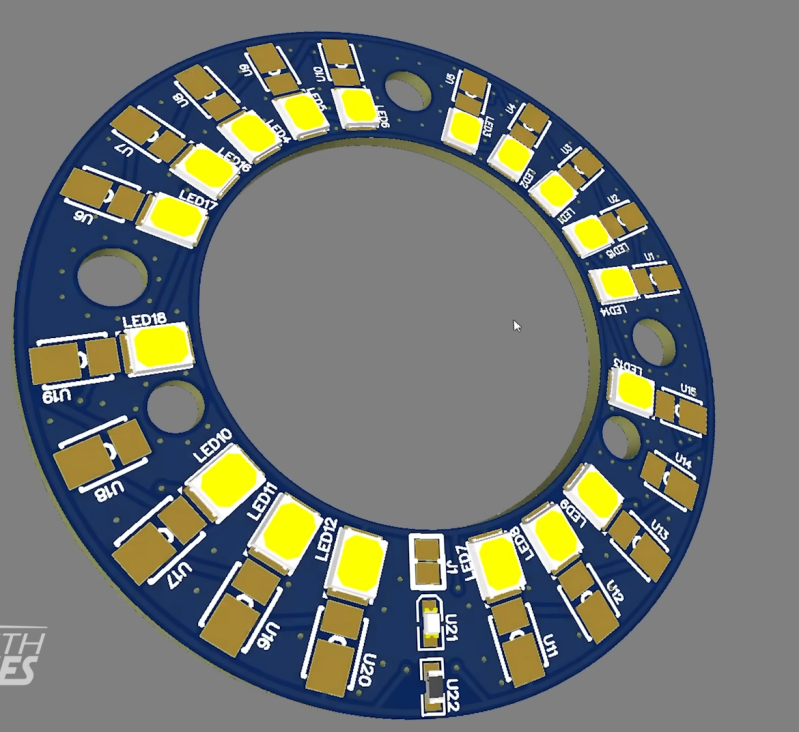
- Created a real life working version of the power armor helmet from the video game Fallout for Hacksmith Industries (15M+ YouTube subscribers)
- Has an augmented reality heads up display that shows suit stats, overlays different vision modes, shows vitals, and has built in tool readings.
- Includes heat vision, vision, night vision, telescopic vision, a pneumatically opening mask, a voice changer, a respirator that can run on two different air supplies/filters and a flood light (custom PCB).
- Uses OpenCV, Python, Linux GStreamer, a custom PCB, RevPi PLC, Nvidia Jetson, and 3D printing.
Half-Life Gravity Gun
- Recreated a device from the video game "Half-Life" that has only ever been seen in science fiction.
- Used operational amplifiers, half h-bridge motor drivers, hall sensors, buck converters, a 6S LiPo battery, and a homemade electromagnet to design, build, and debug a circuit that levitates a magnetic object with only analog electronics.
- Created a 3D printed assembly in SOLIDWORKS with adjustable arms for levitation, an enclosure for the 6S LiPo battery, and awesome aesthetic LEDs.
Tracking Antenna Controller PCBA
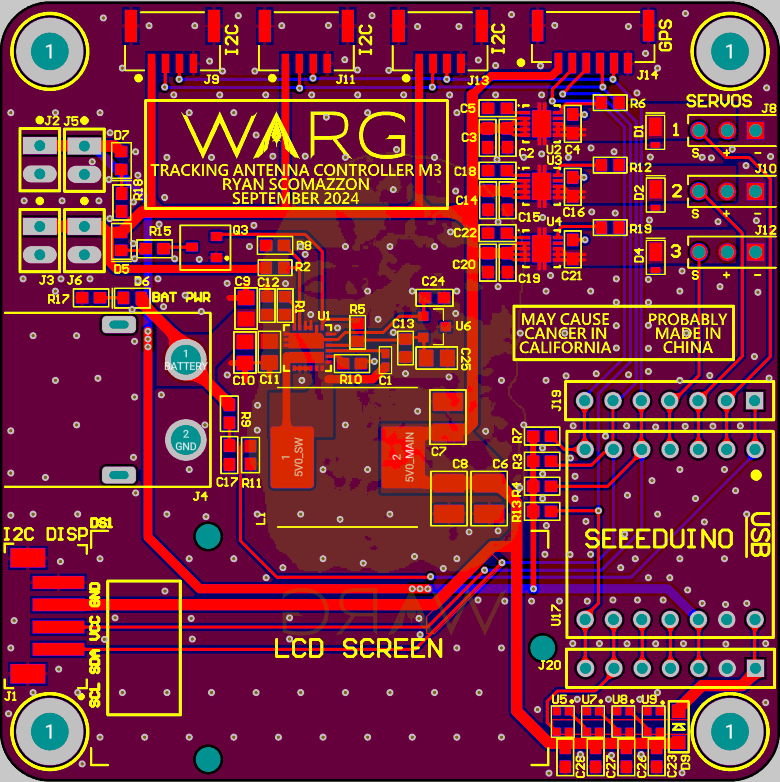
- Designed the schematic and PCB to control the tracking antenna that follows the drone for the Waterloo Aerial Robotics Group to maximize RF communication range.
- Based on a Seeduino MCU
- Has servo outputs with overcurrent protection
- Has I2C and UART GPS output connectors with the Pixhawk standard
- Has a LDO+buck regulator circuit to regulate the voltage of 3s,4s,5s or 6s LiPo batteries.
- Assembled with a reflow oven
- Debugged a QFN package IC with a heat gun and flux to reflow components.
- Used an oscilloscope and DMM to validate the operations of the board after performing continuity/short testing.
Zero Pilot Flight Interface Board
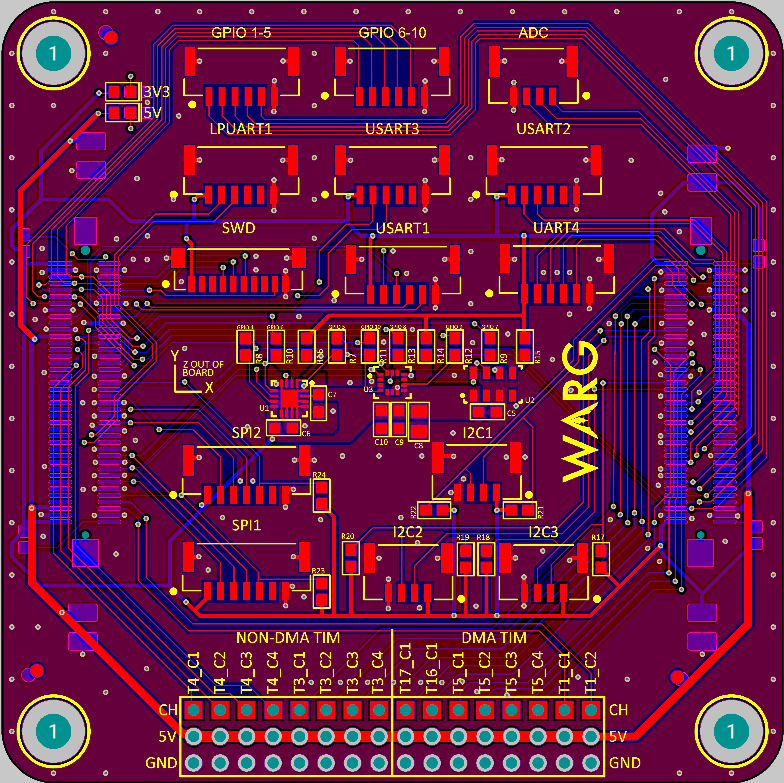
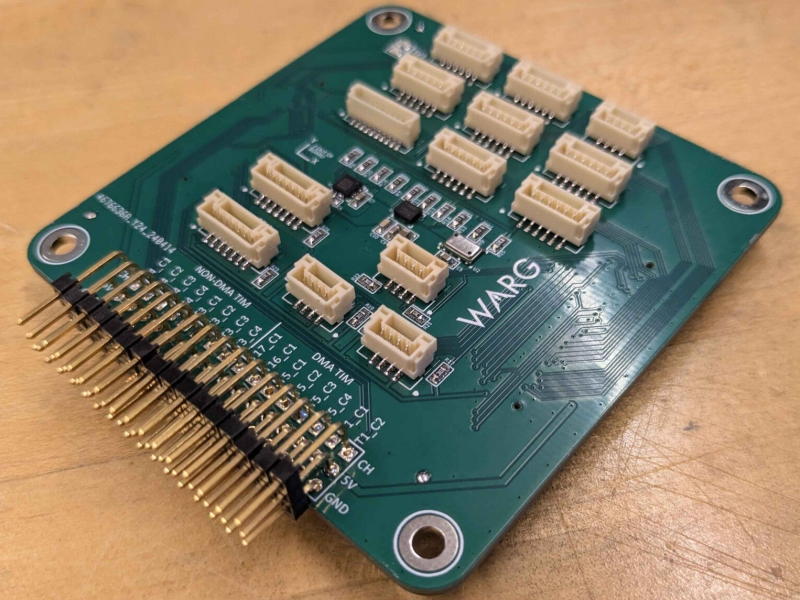
- Designed the schematic and PCB for an sensor interface board in Altium for the Waterloo Aerial Robotics Group.
- This board connects to a main STM32 board and provides standard connectors and sensors.
- Allows the firmware team to develop for flight sensors and equipment all on one board.
- Breaks out to provide standard SPI, UART, USART, I2C, and GPIO connectors.
- Includes an IMU, barometer, and magnetometer along with the supporting circuitry.
- Designed for optimal EMI, loop inductance, etc.
- Designed to be configurable using 0 ohm resistors.
Ro-Saber
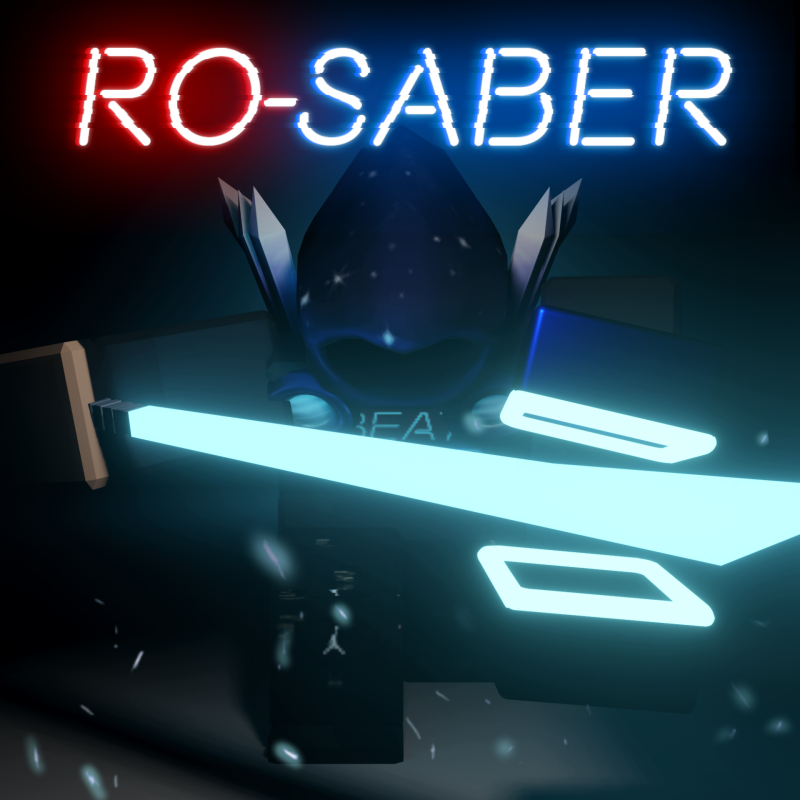
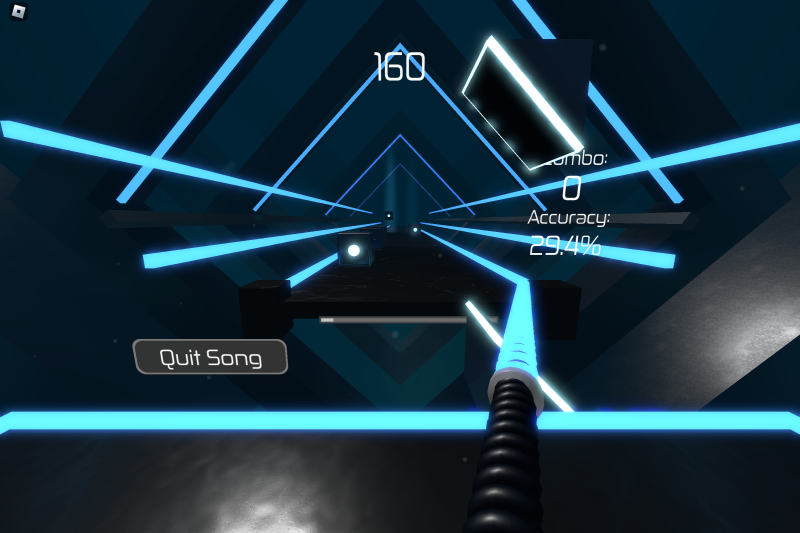
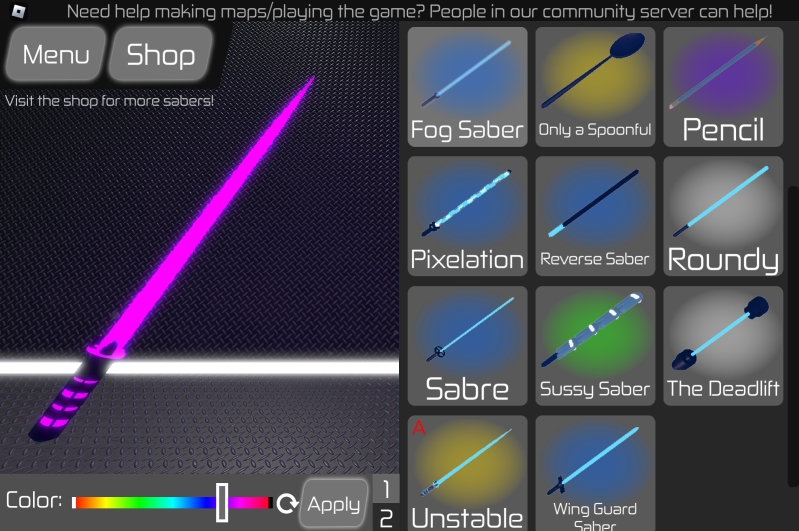
- This game has been played over 16M times.
- It is a rhythm game inspired by the VR game, Beat Saber.
- What started as a test project eventually grew into a part time job as people began to play it as I made updates for them.
- This was an ongoing project for over 2-3 years and I likely will still do patches when needed.
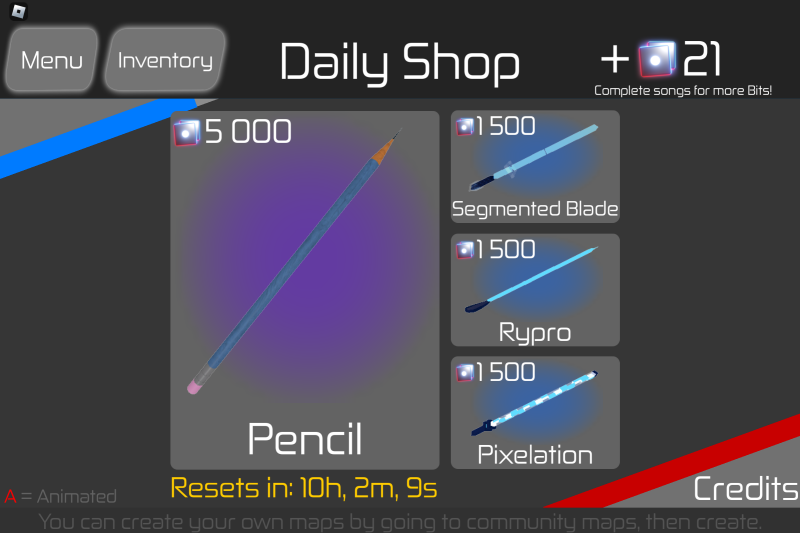
- In a month long campaign, I was able to raise over $600 for charity by selling in game items.
- I learned how to manage/organize large scale projects, and grow/manage a community of many users.
- I created both the game and a level editor which taught me a lot about storing user data and optimization.
- ~12000+ lines written in LuaU (Modified Lua)
- Removed by Meta after over 3.5 years since they saw competition😉.
LDO Voltage Regulator Board
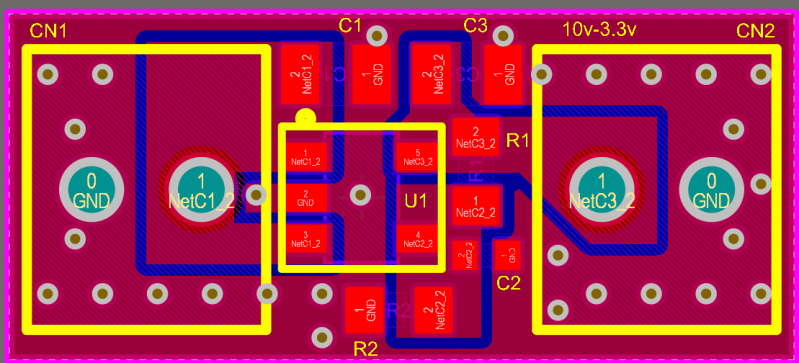
- Designed an LDO voltage regulator PCB and schematic in Altium, minimizing size and maintaining design practices.
- Designed as part of the Waterloo Aerial Robotics Group
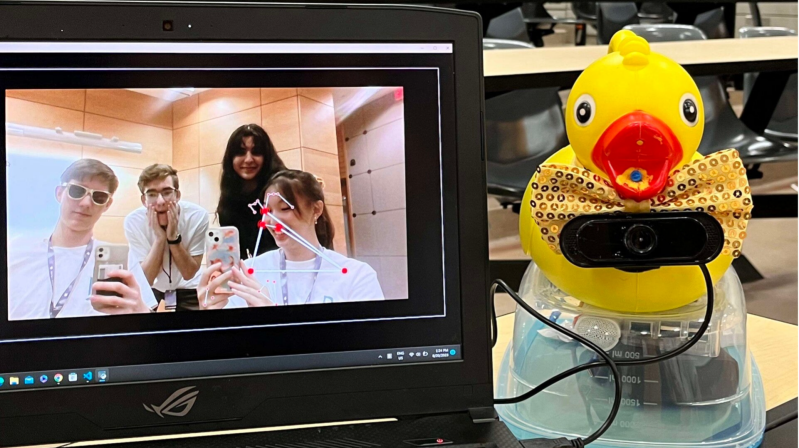
Professor Puddles
- Placed 1st overall at the Hack the 6ix hackathon.
- Won a prize valued $320
- 219 participants, over 50 teams.
- Uses OpenCV to detect and notify the user when they have bad posture.
- If you ignore the notifications, the duck starts yelling and quacking at you.
- He really does not like it if you ignore his warnings, and he will physically spit at you if you don't fix your posture.
- Communicates wirelessly with a Raspberry Pi via Python Sockets to control a servo motor.
DevPost: Professor Puddles | Devpost
GitHub Repository: lucasreljic/Professor-Puddles: Our project for hack the 6ix. (github.com)
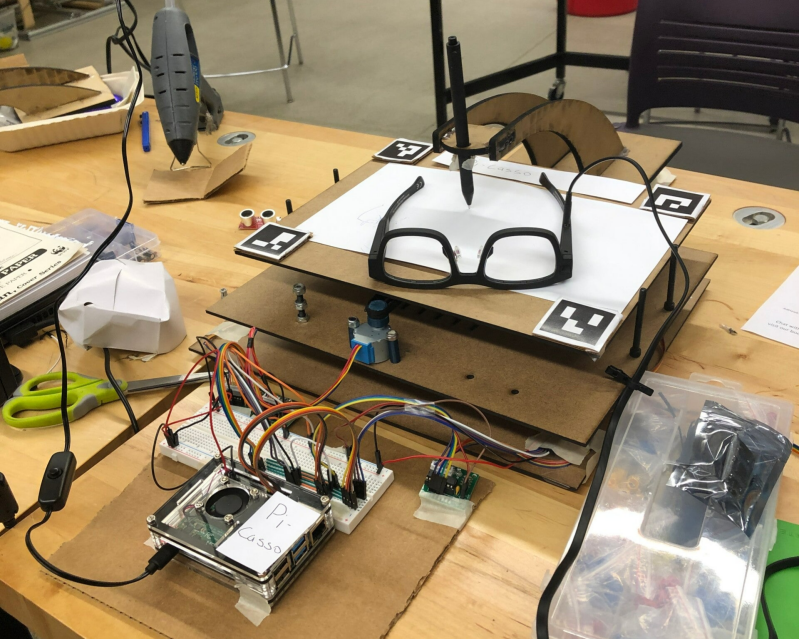
PiCasso - Hack the North 2022.
- Physically draws where the user is looking on the paper (no physical human interaction).
- Uses the AdHawk MindLink glasses and their Python API for eye tracking.
- Created in only 36 hours during Hack the North 2022.
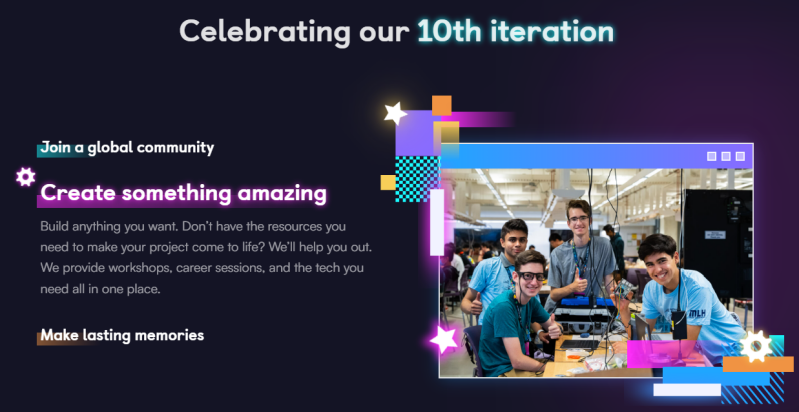
- Had our project featured on the Hack the North 2023 website.
- I developed a stronger knowledge for working with APIs.
- Required careful consideration to prevent unwanted eye movements from registering in the code.
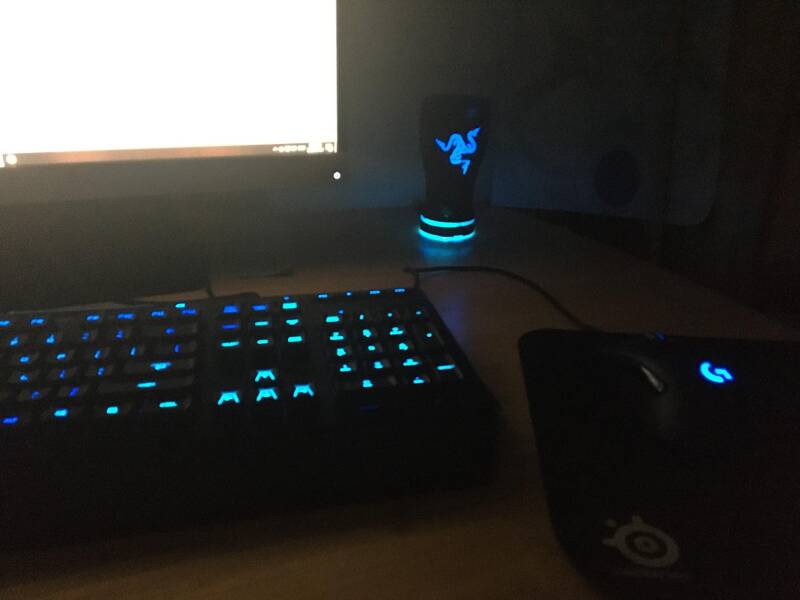
Razer Cup
- Iterated on from grades 10-11.
- Wirelessly connects to my computer via Raspberry Pi over the internet.
- LED colour is synced to my keyboard and mouse while reacting to events in video games.
- Iteration 1 used SSH for connection.
- Iteration 2 used sockets in python and had much less delay.
- Iteration 3 was a larger overhaul, described below.

Razer Cup V3
- Similar to previous versions but has 4, separately controlled LEDs rather than one.
- I designed a custom circuit to allow multiplexing for 12 led pins with only 4 GPIO pins that evades the shortfalls of traditional multiplexing when some channels use common ground.
- This wire limitation created many technical barriers for me to solve.
- I wrote a fully custom control system in python that has the benefits of both multiplexing and PWM (which could not operate correctly together).
Back<<Track - uOttaHack 2023
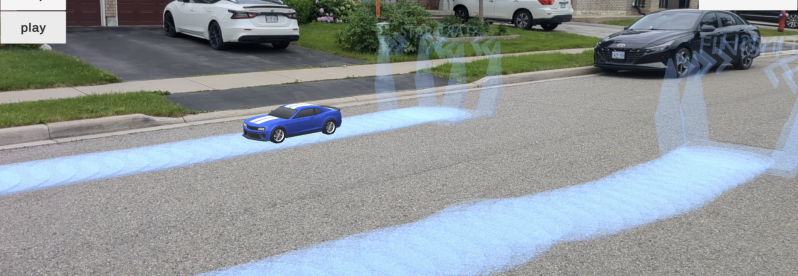
- Make a track in AR and race against previous versions of yourself in real life! See if you can beat your fastest run represented by a car played back live!
- Made during uOttaHack 2023 (Hackathon hosted by uOttawa) in one weekend.
- Made in Unity with ARCore and C#.
P.A.B.L.O. (Pong Assistant Beats Losers Only) - MakeUofT 2023
- Placed 3rd overall at UofT's MakeUofT hackathon winning a prize valued at $350.
- Created in 24 hours.
- Throws you a ping pong ball when you need it.
- Uses OpenCV to track where your hand is and throws the ball directly at it.
- Hardware controlled via Arduino and C++.
Mindosaur
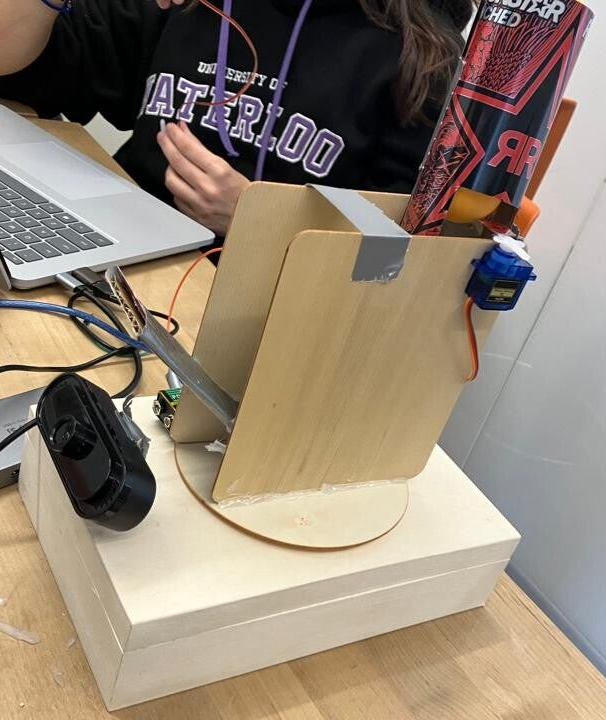
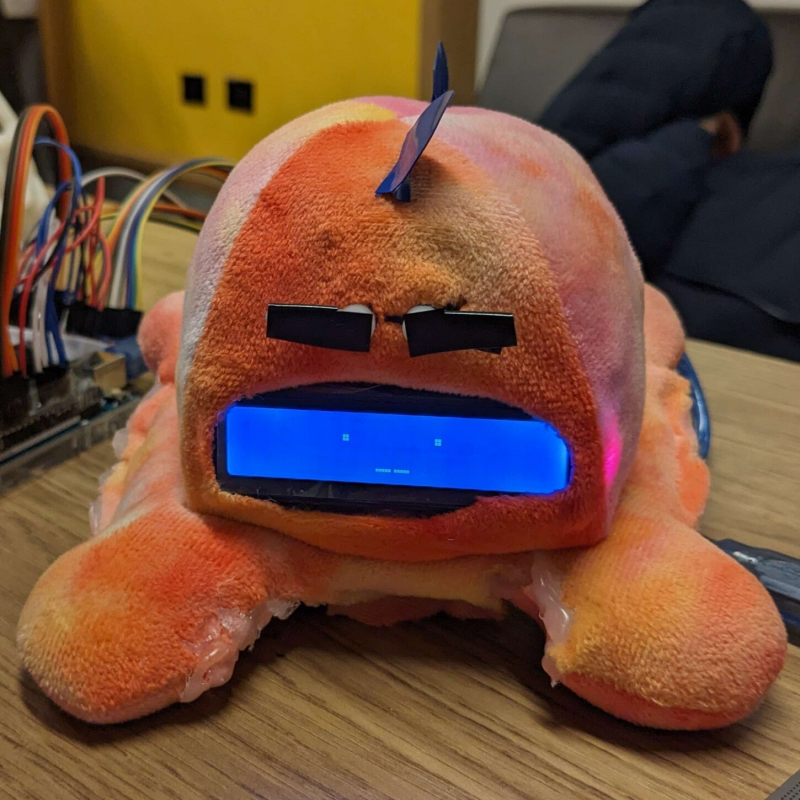
- Created a robo-dinosaur that reacts to your emotions and listens to Spotify with you, giving custom song recommendations to fit your mood.
- Uses an OpenBCI ECG headpiece to detect your emotions.
- Uses an Arduino to manipulate a custom LCD/servo controlled face to emote with the same mood as you.
- Created for DeltaHacksX.
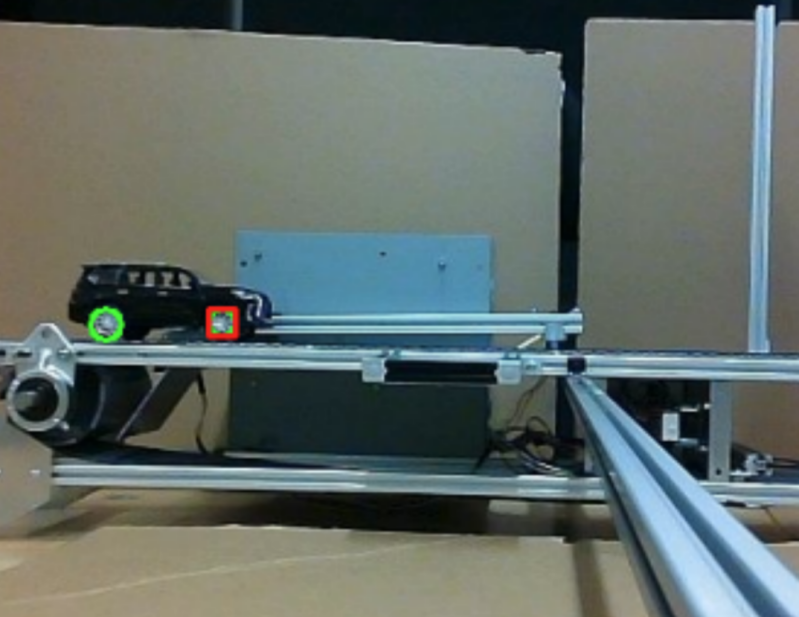
UW Toyota Innovation Challenge
- Participants were tasked to create a computer vision program to track the position of a car and detect when the front wheel passes a certain point.
- I was first in my team to figure out how to get a reliable track.
- I learned how to use OpenCV.
- Written in Python.
- Successfully worked in real time with different cars.
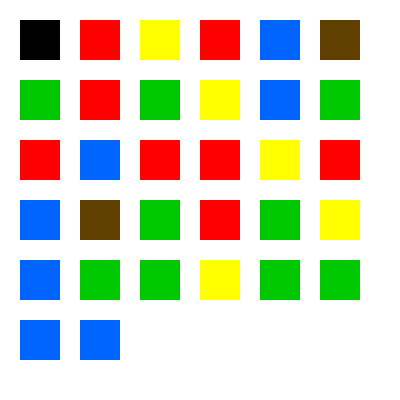
Generated image for the note data of the Seven Nation Army guitar riff.
Guitar Playing Robot
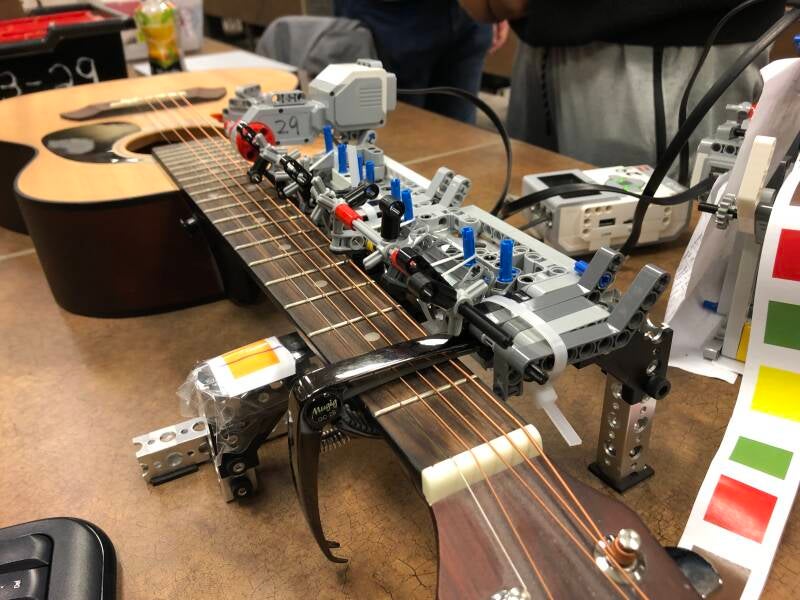
- This robot reads music from a colour strip and then plays the music on the guitar.
- I thought out of the box and came up with many major ideas such the camshaft fretting mechanism.
- The main control system is written in RobotC.
- There is an additional system that converts any digital song into coloured squares for the robot to read. More details on this are in the software section.
Guitar Robot Song Conversion
- I needed a way to generate an image for the music strip so I made this software in C++.
- It can convert any music file from the industry standard .MIDI file format into an image of coloured squares representing data for each note.
- I used an open source image generation library to generate the image.
SneaQy
- Created an app that allows you text your friends while disguising it as if you were doing work.
- If you are an employer, I PROMISE I wont use this at work if you hire me 😊
- As you type in VSCode, Word, etc, your keystrokes get sent to your friend but that's not what appears on your screen.
- Our LLM does your ACTUAL work for you and replaces the keystrokes that appear on your screen with this, making it look like you were productive.
- You can see your friends message through tooltips in your program.
- Powered by OpenAI's API, Selenium, Python, and Tkinter.
- Created for QHacks 2024.
Haul-E - Hack the North 2023
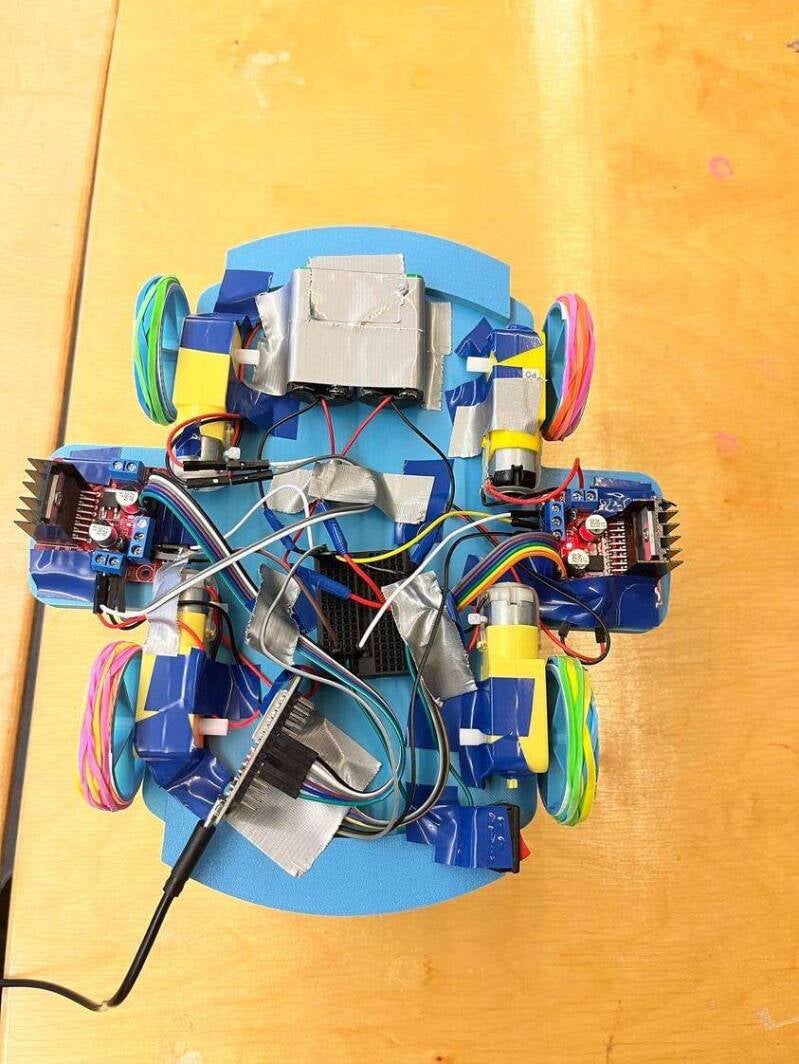
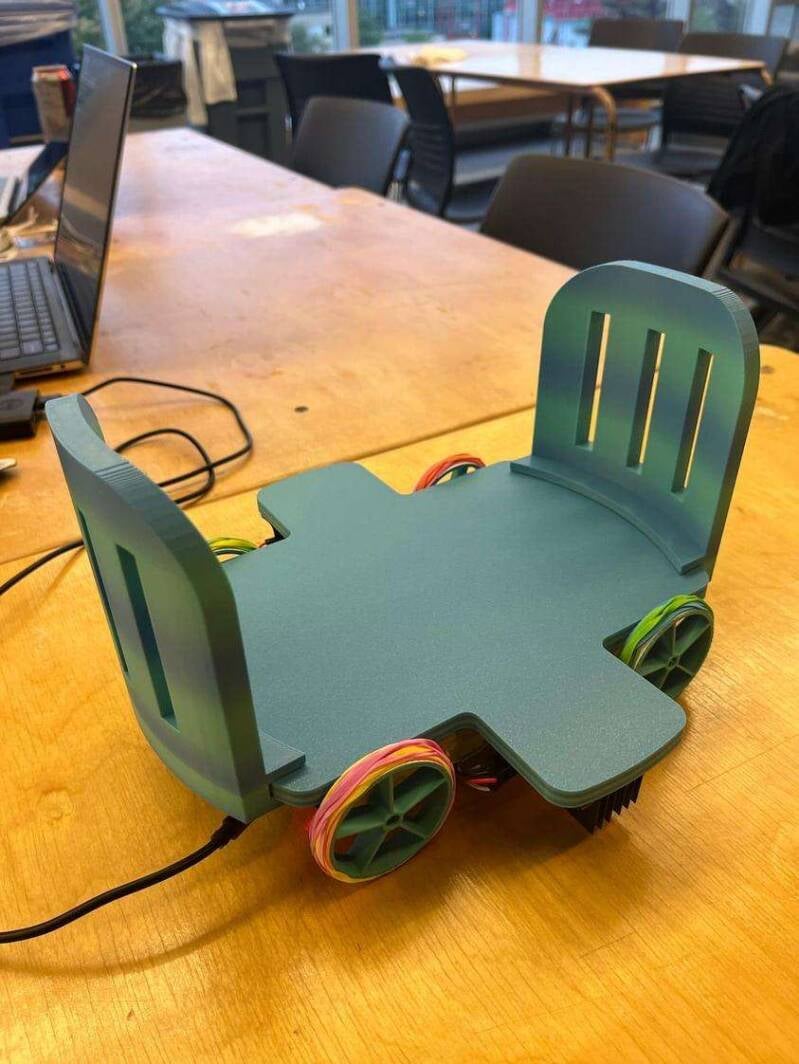
- Created in 36 hours during Hack the North 2023
- Uses eye tracking glasses to direct a path following robot to where you look so it can carry heavy items or just bring you a drink :)
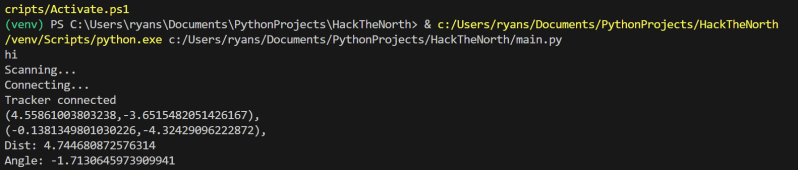
- Uses sensor fusion from the eye tracking data and a gyroscope to generate absolute world space points from relative data, providing the glasses with spatial computing capability.
- Developed with Python, the AdHawk API, an ESP32, motor controllers, and C++.
Why Not 100%?
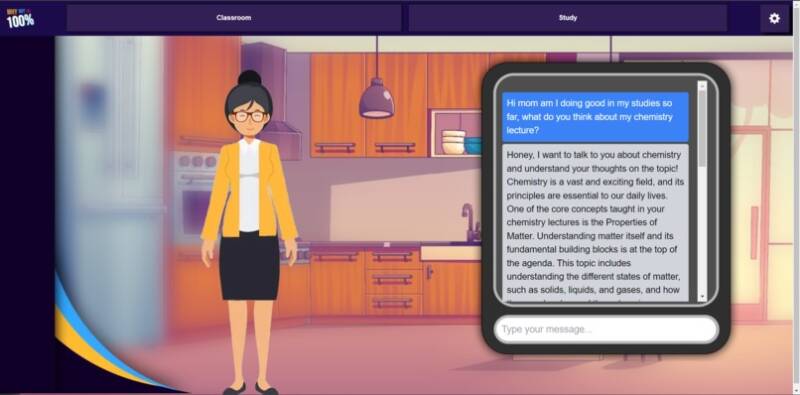
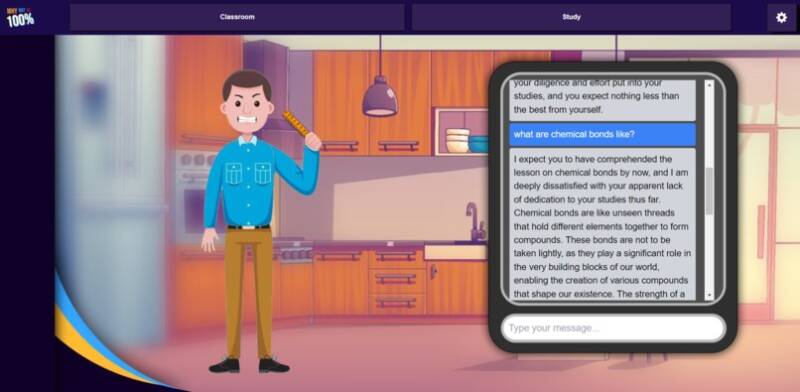
- This app brings us back to the childhood studying experience in which we all learned to learn.
- The app lets you record your lecture, then once you go home, it simulates a texting chat with your parent who now know everything you're learning, just like in grade school.
- In the settings you can change what your parent looks like and their tone to truly match your childhood experience, be it understanding and slow or loud and wait... why is mom getting out the big spoon again?
- Lecture translation with Google Cloud API, responses generated and tuned with Cohere, backend in Python and Django.
- Created for UofTHacks 11.
- Frontend designed by me in Photoshop and implemented by my teammate in React and Next.JS.
NassarBot
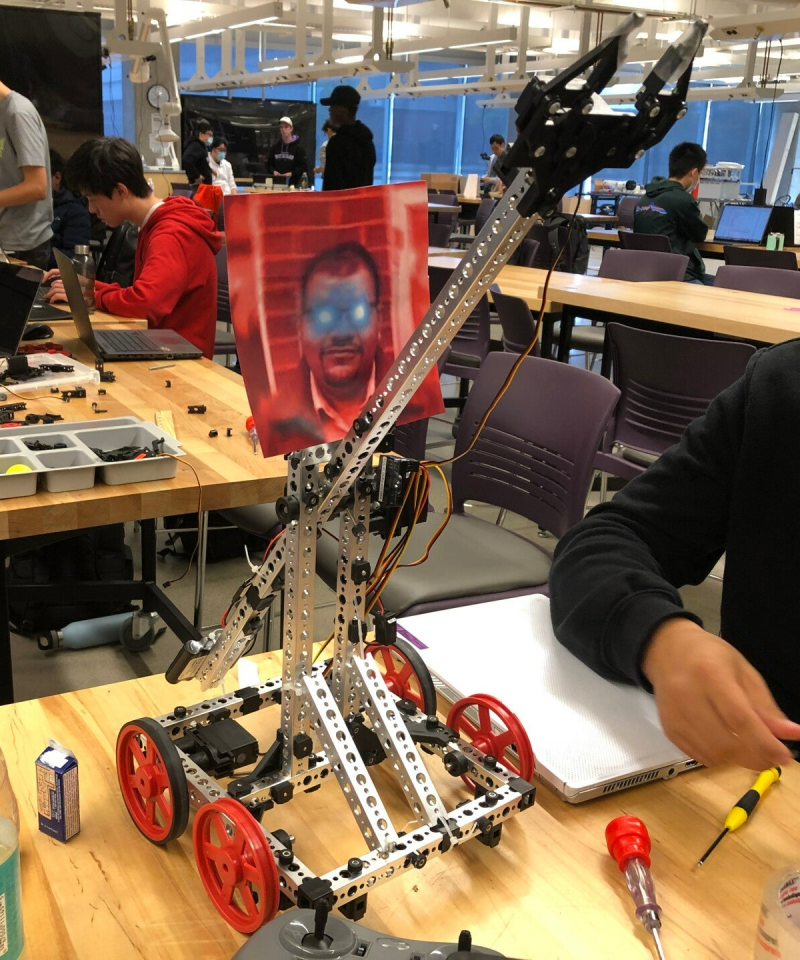
- Designed in a team of four as part of my first "Tron Days" event at the University of Waterloo.
- Students were tasked to build a robot that can carefully place bones in various locations given limited parts and motors.
- Our robot got a near perfect score and quickly became a favorite of the profs, TAs, and other students.
- We received the Profs Choice award for our robot.
Unreal Engine Projects
- From grade 7 until 10 (when Ro-Saber found success), I enjoyed spending a lot of my time making 3D games in Unreal Engine and making assets in Blender.
- I was constantly improving my logic and problem solving skills by experimenting with creating difficult game mechanics.
- I then learned multiplayer networking and worked on multiplayer games to play with my friends.
- Most of this was written using Unreal's Blueprint System.
- Below are pictures from some of my Unreal projects.
SCP 575
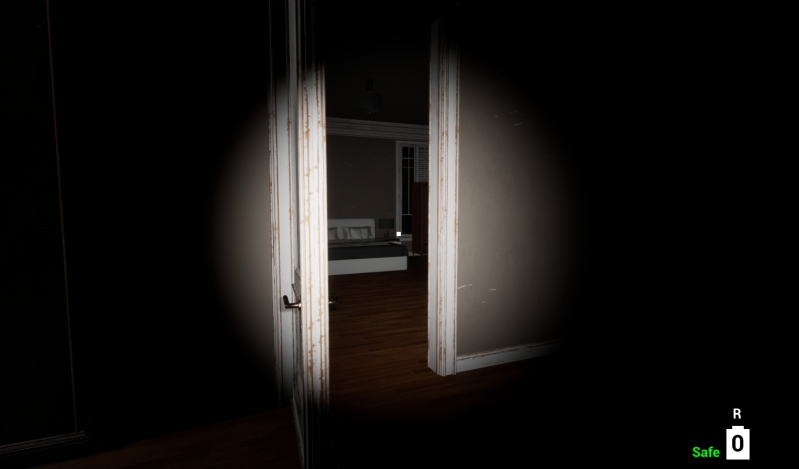
Multiplayer horror game
Multiplayer Challenge
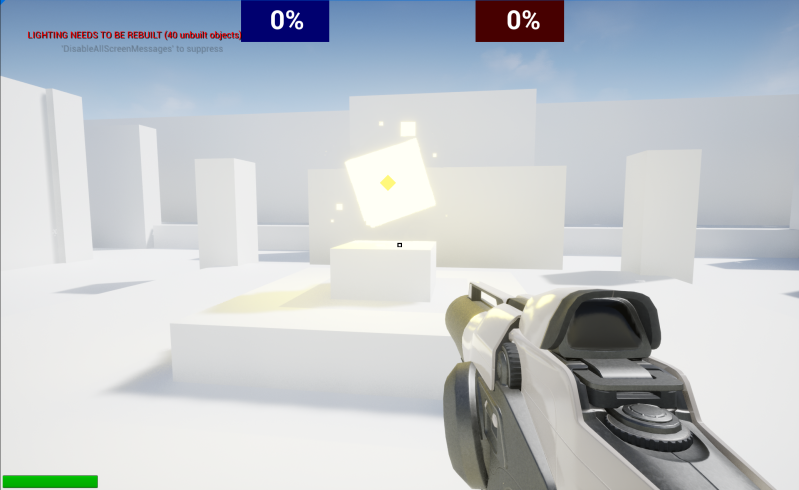
Successful challenge to recreate the fundamentals of a multiplayer hero shooter in seven days.
Project A
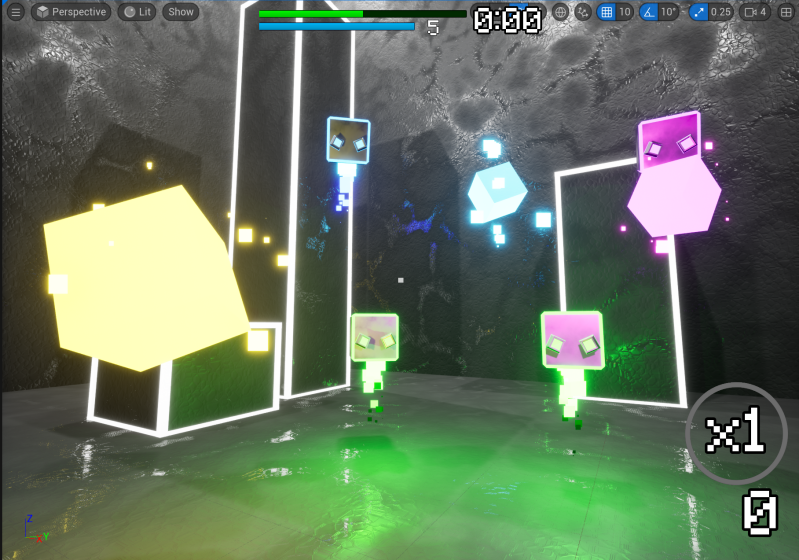
Score based single player survival game.
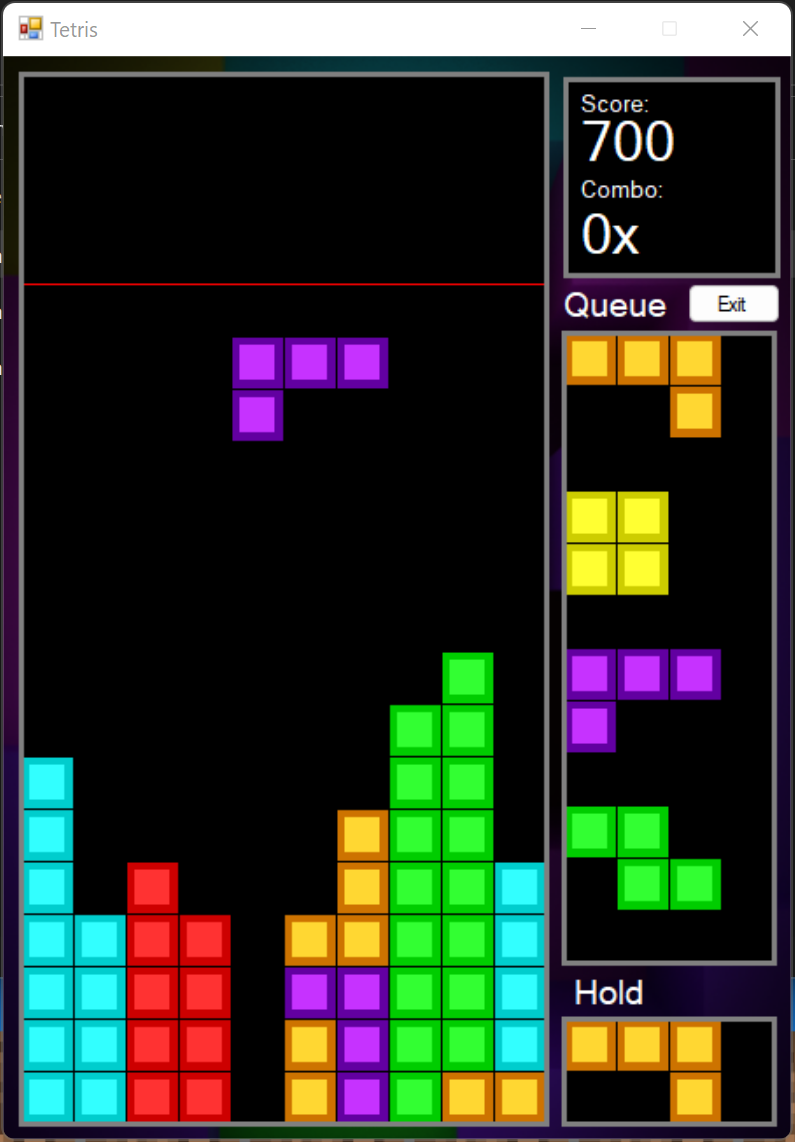
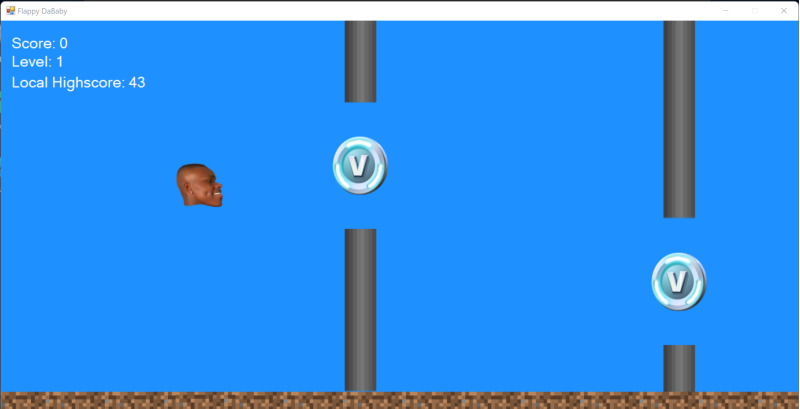
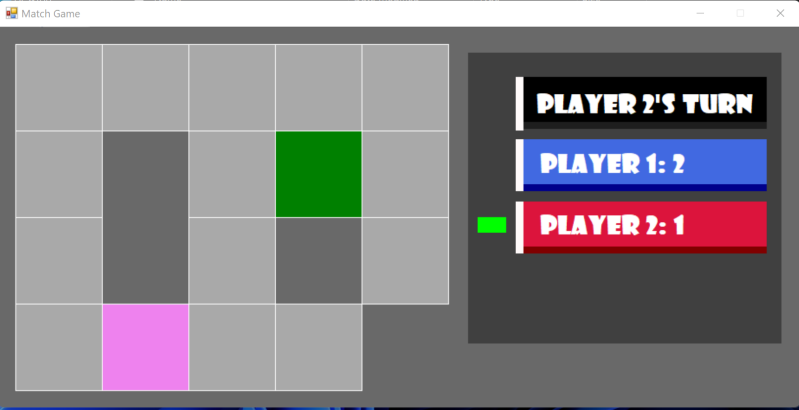
Flappy Dababy/Tetris/Match Game
- These are three of my Windows forms applications.
- All written in C#.
- With these projects I put strong emphasis on developing my object oriented programming skills.
- These projects in particular were my high school projects. They all graded very well and my teacher said my Tetris and Match Game were the best he's ever seen in his over a decade of teaching with their extra animations, complexity, and polish.
Robotic Manipulator Optimization
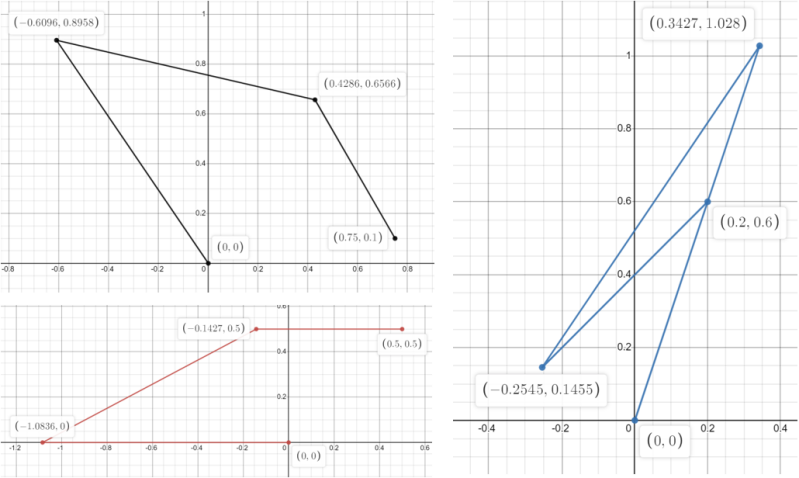
- I was tasked for a university class project to optimize the torque at the base of a three segment robotic arm given various requirements and constraints.
- Students competed for best torque - grades were based on your torque compared to the rest of the class (my class has some of the most competitive students in the country).
- I wrote a C++ program to optimize and graph the torque. I got THE BEST torque in the entire class of 134 Waterloo Engineering Students.
Remote Fire Mechanism
- Fires the toy gun after a lever is hit
- Used as part of my physics project where I made a Rube Goldberg machine.
- LED indicates lever has been pulled and activates delay before firing.

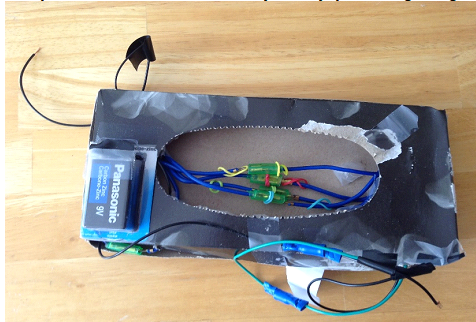
My First Circuit - Bomb Defusal Training
- Disconnecting the right wire makes the yellow LED turn green and the wrong wires make it turn red (the LED has been taken off in the photo to be reused).
- I was about 11.
- Everything went quite well and it worked on the first try.
- This is what sparked my adventure into a world of electronics beyond just Lego robotics.
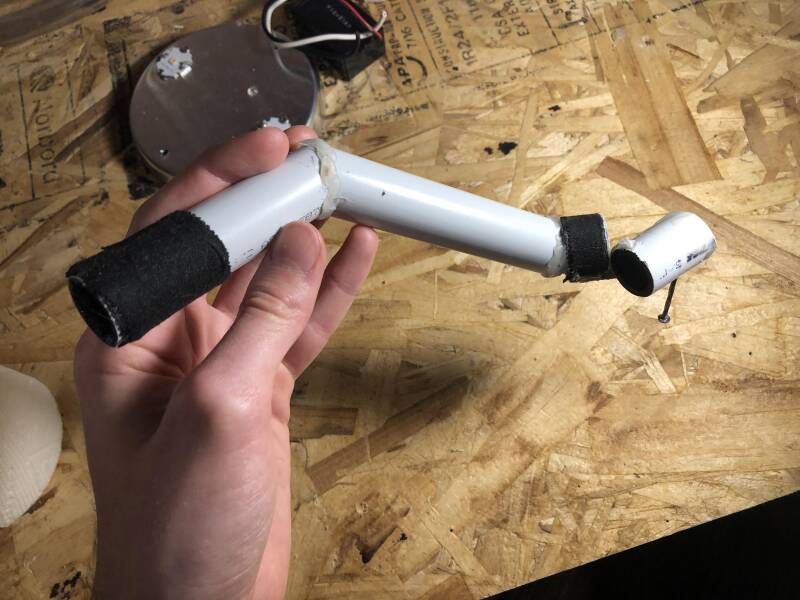
Hands-Free Eating Device
- While this project failed, I thought I would include it as I learned a lot.
- I made this shortly after the project above.
- Designed to put cereal into my mouth with the press of a homemade pedal.
- The motor didn’t end up turning correctly and I oversaw many design flaws.
- This was one of my first failed projects, likely due to my overconfidence of the previous success.
- This learning experience minimized future failures as I now have a more proven method of planning and testing.

Create Your Own Website With Webador